The Palisades Fire was one of the worst wildfires in Los Angeles history. It burned for 25 days in January 2025, causing major loss, long-term displacement, and raising questions about who was responsible and how prepared the city was. As people work to rebuild, new information has emerged about how the fire started and how officials responded. This article explains what happened and what victims need to know about their rights.
A Wildfire That Became One of the Most Destructive in Los Angeles History
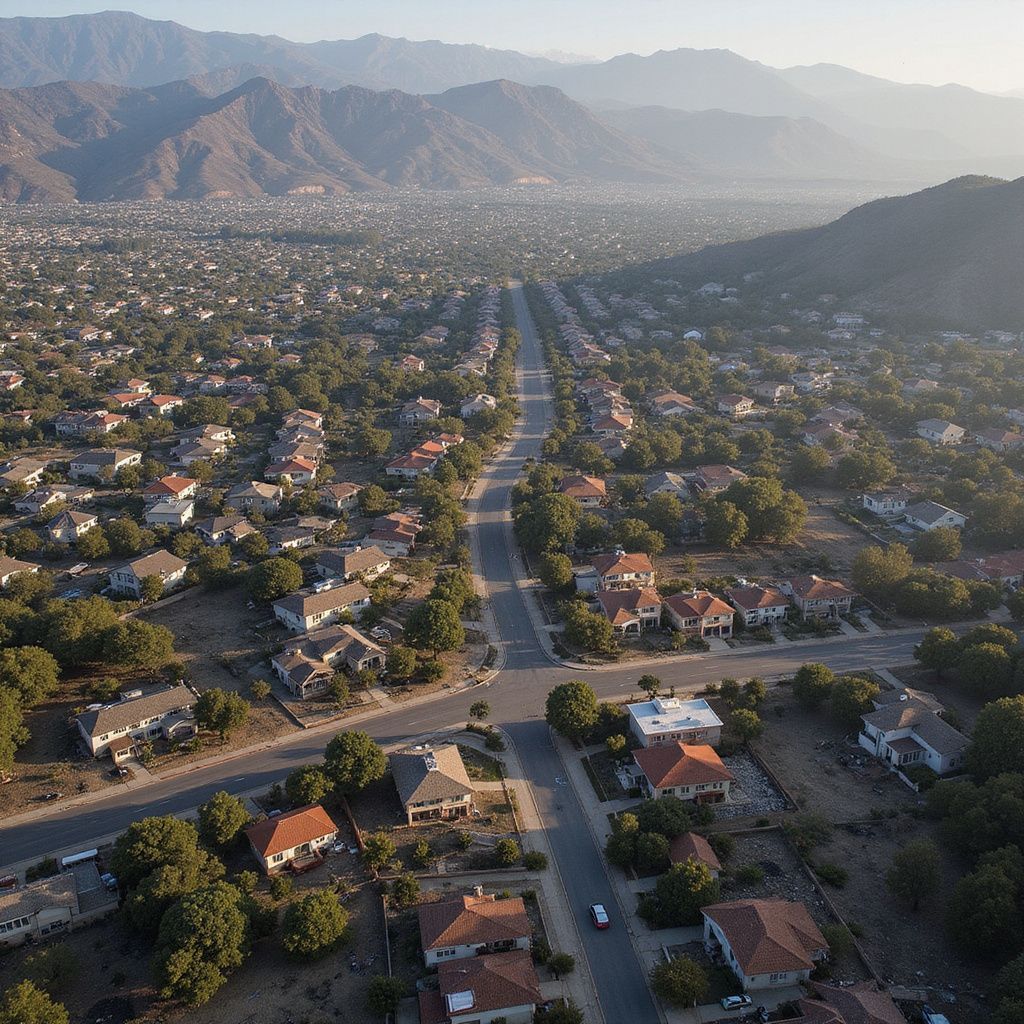
The Palisades Fire started on January 7, 2025, in the Santa Monica Mountains and burned until January 31. It destroyed 6,837 buildings, killed 12 people, injured at least four others, and forced 105,000 people to evacuate. The fire burned 23,448 acres, making it the third most destructive wildfire in California and the worst ever in Los Angeles.
Months of drought and high-pressure weather made it easy for wildfires to start. Strong Santa Ana winds and eight months without rain quickly spread the fire into Pacific Palisades, Topanga, and Malibu.
How the Fire Actually Started: A Rekindled Blaze Beneath the Ground
Federal investigators found that the fire started from the remains of a smaller wildfire called the Lachman Fire. It kept smoldering underground in thick roots, then resurfaced on January 7 and grew into the Palisades Fire.
Acting U.S. Attorney Bill Essayli said that while firefighters put out the flames on the surface, hot spots underground kept burning for a week without being noticed. When the winds picked up, the fire reignited and broke through the ground. This type of fire, called a “ground fire,” is very hard to find, even with infrared cameras.
Official Response and Controversy Over the After‑Action Report
In early 2026, reports claimed that Los Angeles Mayor Karen Bass asked for changes to the city’s review of the fire. These changes were said to make the criticism of the Los Angeles Fire Department’s readiness and early actions less harsh.
Mayor Bass firmly
denied any wrongdoing. The LAFD said that several versions of the report were edited to “soften language and reduce explicit criticism,” but did not say who made those changes.
This issue arose while residents and victims kept asking city, county, and state officials for more openness and accountability.
The Scale of Damage and Recovery Efforts
Teams
assessing the damage confirmed that 6,837 buildings were destroyed and 973 more were damaged. They also reported 12 civilian deaths.
After the fire, several Disaster Recovery Centers opened, federal aid programs started, and evacuation alerts for debris flow risks continued for months.
What Survivors Should Know
People affected by the Palisades Fire have filed legal claims about:
- inadequate vegetation management
- delayed response or insufficient pre‑deployment
- failure to mitigate known drought and wind risks
- government and utility negligence related to fire prevention
Lawsuits are still underway to determine which city agencies, utilities, or other groups are responsible for associated losses.
Do you need help with fire-related claims?
If you or your family were affected by the Palisades Fire, you might have legal options for getting help, compensation, or support to rebuild.
Our team
helps wildfire survivors learn about their rights and seek justice.