The Palisades Fire in January 2025 devastated more than just the land. It revealed a serious problem
for people living in the wildland‑urban interface (WUI): our insurance systems cannot handle megafires.
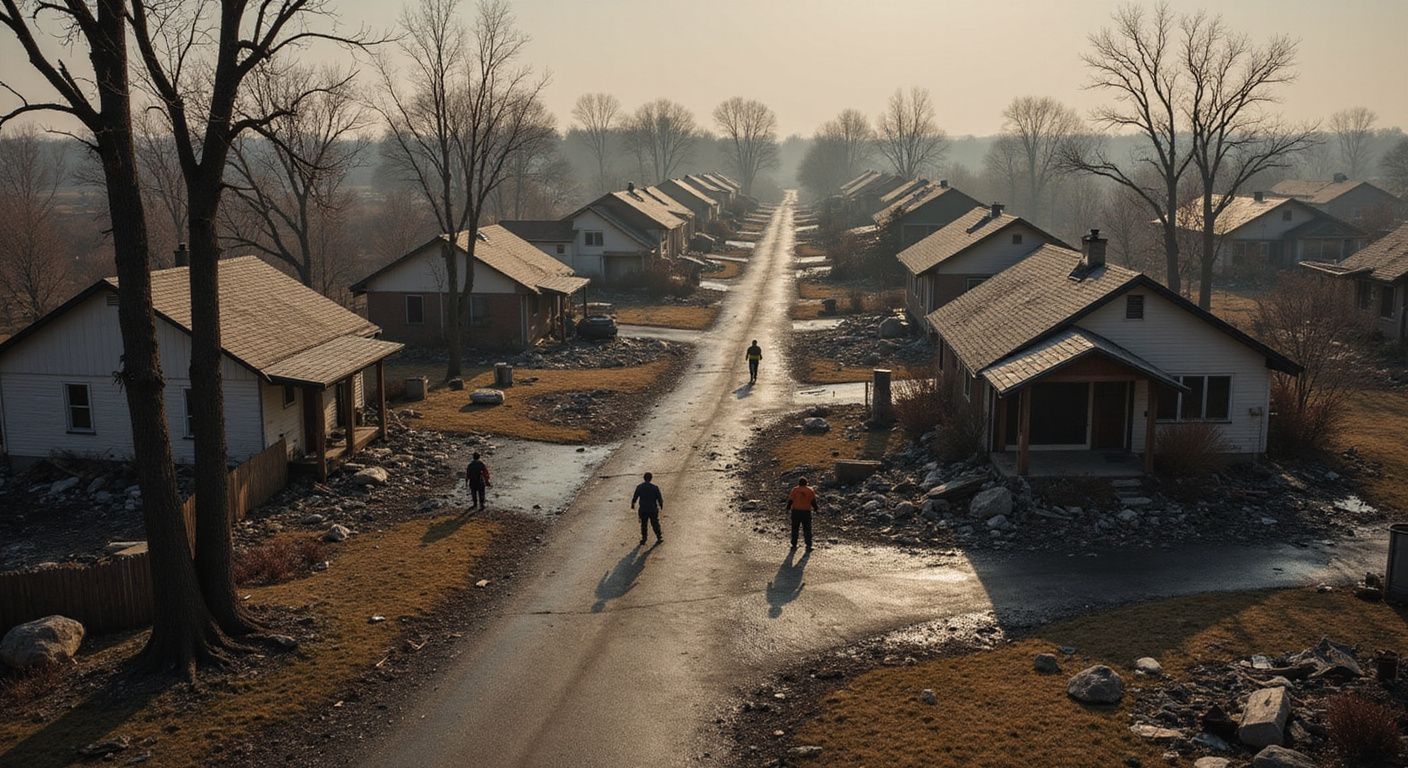
As the fire tore through Pacific Palisades, Malibu, and Topanga, it destroyed 6,837 structures and caused $25 billion in damage. Thousands of homeowners were left to deal with a confusing and broken insurance system. [en.wikipedia.org]
One year later, this disaster serves as a warning to every WUI community in the United States.
The destruction overwhelmed the entire system
Damage assessment teams checked every structure within the burn area, confirming that entire neighborhoods, once among the most valuable in Southern California, were destroyed. They also found a pattern that is now common in fire-prone areas: [fire.ca.gov]
- Homeowners who were drastically underinsured
- Policies that excluded smoke or ash damage
- Confusion around code‑upgrade coverage for rebuilding
- Delays caused by high claim volumes and labor shortages
Many families who thought they had enough coverage are still finding out that their policies do not cover the real cost of rebuilding in Los Angeles’ expensive market.
Why WUI Communities Are at a Breaking Point
The WUI, where homes meet natural vegetation, has grown a lot in the past twenty years. Fires like the Palisades Fire show two growing problems:
- Climate‑Driven Megafires Outpace Actuarial Model
Winds over 60 mph, almost a year without real rain, and lots of dry plants made it nearly impossible to control the fire. Experts called it “the perfect recipe for a large wildfire.” Homes built before 2008 had little chance of surviving. [en.wikipedia.org]
- Insurers Are Retreating
In Los Angeles County, wildfire risk is causing insurance premiums to rise or making some people ineligible for coverage. After the Palisades Fire, many residents lost their insurance even though they had never filed a claim.
Some families now have to use the California FAIR Plan, which is a last-resort insurance option. Its coverage limits are much lower than the true cost to rebuild.
The Hidden Crisis: Cultural Landmarks and Community Fabric
The Palisades and nearby Eaton Fire destroyed over 18,000 structures in L.A. County, including important cultural sites like the Will Rogers Ranch House and the Pasadena Jewish Temple & Center.
Insurance for historic or culturally important properties is even more complicated. Replacement costs can be impossible to figure out, and special-use properties often are not fully covered by policies. [laconservancy.org]
Recovery is not just about rebuilding houses. It is also about restoring a community’s identity.
Rebuilding Costs Are Soaring Beyond Policies
Many Palisades residents now face:
- 30–60% increases in construction costs
- Mandatory fire‑hardening upgrades
- Months‑long waits for debris removal and inspections
- Supply shortages and contractor bottlenecks
Even people with what they thought were good insurance policies are finding that their extended replacement-cost coverage does not go as far as they expected.
Where Homeowners Go From Here
For thousands of families, the road forward involves:
- Policy appeals and public‑adjuster assistance
- Legal challenges when insurers dispute or undervalue claims
- Navigating FEMA and local recovery centers [fire.ca.gov]
- Community‑based fundraising efforts, like the Altadena‑to‑Palisades ultramarathon that raised nearly $67,000 for survivors [yahoo.com]
The Palisades Fire did more than destroy homes. It showed that our insurance systems are not ready for the future of megafires. As WUI communities keep growing, these insurance problems could become common unless major changes are made to fix coverage gaps, unpredictable pricing, and risk models for a hotter, drier climate.